Mold Clearance Testing in San Fernando, CA
Mold clearance testing in San Fernando checks your completed cleanup before repairs. Ask which areas and acceptance criteria the assessment covers.
- Work area checked before rebuilding
- Independent assessment preferred
- Written findings and next steps
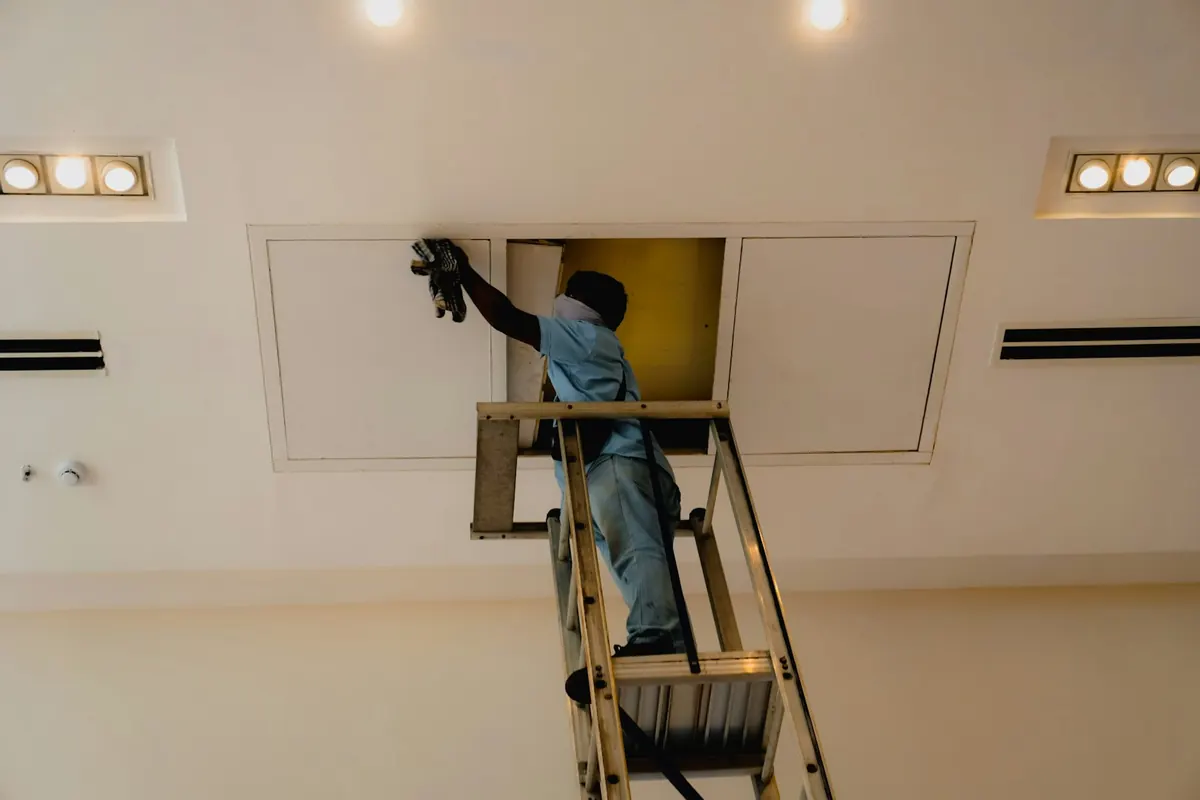
What Your Mold Clearance Report Covers in Los Angeles County
You should learn from the report which work areas fulfill the agreed clearance criteria.
Post-remediation verification (PRV) assesses whether finished work matches a remediation protocol. Before removal, agree on the boundaries of your assessment.
Request lab results with sample collection locations and conditions. You also need an explanation linking them to the final inspection, since a lab sheet alone cannot establish clearance.
- Property and work-area identification
- Visual inspection findings
- Moisture readings and comparison points
- Sample results when specified
Finding a Mold Assessor for Your San Fernando, CA Property
Lab accountability
Ask who explains sample findings, along with the identity of the independent testing lab doing analysis.
Scope before booking
Check exclusions, room coverage and allowed samples ahead of approving your visit.
Mold report format
Ask for an empty report template illustrating explanations of conclusions and limitations.
Independent judgment
Your assessor should be separate from whoever performed the removal.
Reasons for a San Fernando Mold Clearance Inspection
A protocol or property agreement may require an independent check. Arrange yours when required.
Uncertain cleanup boundaries
Find out whether assessment of a neighboring space is needed before booking clearance.
A property handover
Confirm what evidence the buyer or property manager will accept.
Before your mold work space is closed
Plan entry before the wall cavities are covered.
Several affected rooms
Settle whether rooms require individually reported findings.
Your Los Angeles County Mold Assessment Preparation
Protect your work area after completing removal, cleaning and moisture correction.
Call (844) 352-3560- Arrange access. Confirm keys, parking and access to each affected area.
- Describe changes. Let your assessor know about water intrusion or work undertaken since cleaning ended.
- Leave surfaces undisturbed. Leave suspected growth unscraped, unsanded and free from dry-brushing.
- Discuss equipment settings. Check sampling requirements for negative air pressure and operation of the HEPA air scrubber.
- Flag HVAC concerns. EPA advises against operating heating and cooling equipment when mold contamination is suspected.
Understanding Mold Clearance Test Cost in San Fernando, CA
Residential clearance costs $300 to $700 per job in the Inspect and Test guide. For a single room in Colorado Front Range, it lists $300 to $600 per room. Neither published range is your local quote.
Clearance following remediation of a residential project
$300 to $700 per jobSource: Inspect and Test, Mold Remediation Air Quality Testing (clearance guide) (checked 2026-10-23)Single-room clearance after remediation in the Colorado Front Range
$300 to $600 per roomSource: Inspect and Test, Mold Test Cost (Colorado Front Range estimates) (checked 2026-10-23)A return visit or added samples
Ask about separate chargesConfirm lab analysis, reinspection and reporting fees before bookingFactors Affecting Your Assessment Cost
- Repeat inspection needs
- Rooms and sample locations
- Testing lab charges
- Contained area size
- Outdoor control sample
Published Clearance Ranges
The figures are published national cost guide ranges, not results of a property visit. Your property price is set after an on-site assessment and should be explained before work starts.
Ask about cost: (844) 352-3560Your California Mold Verification Payment Questions
Your homeowners insurance might pay for a covered claim. Coverage depends on the policy terms and where the water came from.
Repeat assessment charges
Ask who pays if the initial work does not meet the agreed criteria.
Testing approval
Before booking an assessment, find out if your insurer must approve.
Mold coverage limits
Check if a deductible or mold sublimit applies. California's Toxic Mold Protection Act includes a landlord written-disclosure section (Health and Safety Code 26147). By its own wording it applies only after the state adopts mold exposure standards, and the state health department has said it could not set them.
Rental payment questions
Settle who approves the appointment and gets the bill. Under California's housing law, visible mold found by a health officer or code enforcement officer can make a rental substandard. Renters can contact their local health or code enforcement department to ask for an inspection.
Post-Remediation Verification in Greater Los Angeles: How It Works
Follow the cleanup plan through an independent decision before rebuilding.
Read the mold work scope
Match your written scope of work to the assessment boundary.
Check visible conditions
Look for remaining mold growth, dust and debris.
Assess moisture
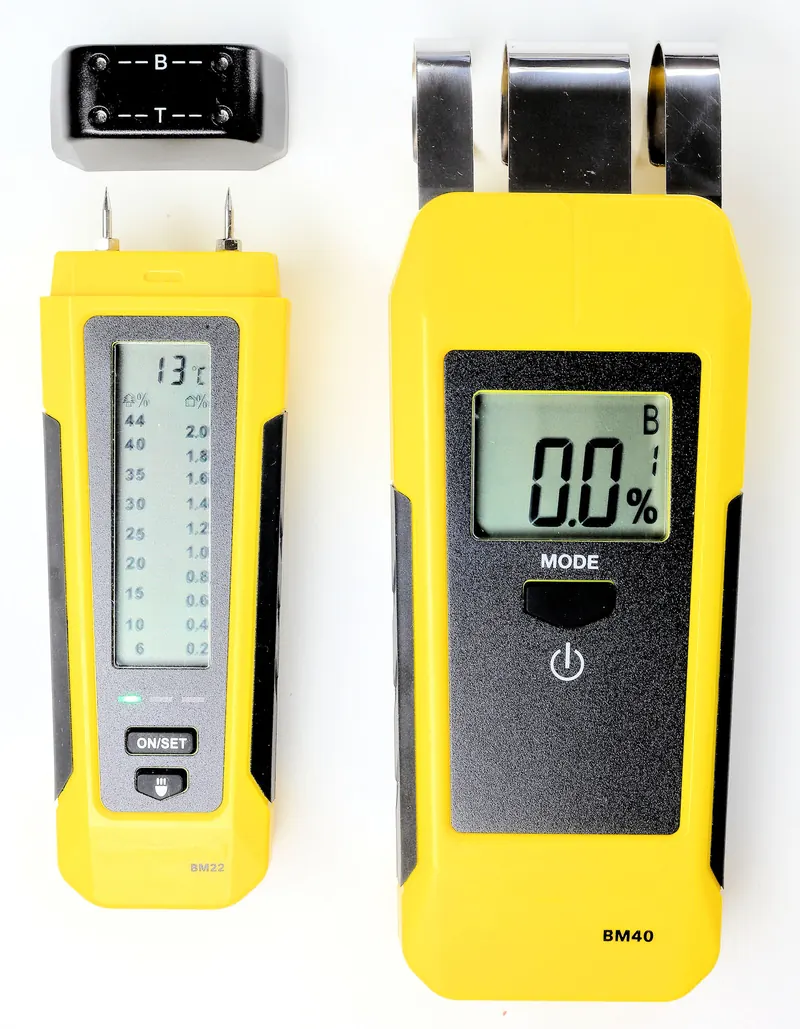
For retained materials, combine a moisture meter with moisture mapping during assessment. Mold identification is beyond thermal imaging.
Collect specified samples
A swab sample or tape lift may be planned, as may an outdoor air sample or spore trap.
Interpret the evidence
Weigh onsite findings alongside surface sampling or air sampling.
Issue the decision
Identify unmet criteria and any re-cleaning or further assessment needed.
Which Fits: Clearance, Removal, Sampling or Inspection?
Choose the task that answers your current question. The outputs differ between these services.
| Task | Purpose | What you get | When it fits |
|---|---|---|---|
| Inspection | Investigate the problem | Findings on growth and moisture | Before deciding the work scope |
| Sampling | Answer a defined testing question | Lab results with interpretation | If findings might lead to a different decision |
| Removal | Address affected materials | Cleaning and material removal | If cleanup is required by the assessed scope |
| Clearance | Check completed cleanup | A decision against agreed criteria | After remediation, before rebuilding |
Visible mold growth generally needs no sampling, according to EPA. Ask how taking the proposed sample would matter.
Before Containment Comes Down
Your assessor and cleanup contractor should join you in using this handoff checklist.
- Confirm the moisture source is corrected and affected materials are dry.
- Confirm specified removal and cleaning are complete, including HEPA vacuum work where required. You still need cleaning with antimicrobial treatment.
- Do not remove poly sheeting or the containment barrier before the agreed verification is finished.
- Correct unmet criteria before release; afterward, agree how containment removal and repair responsibilities are assigned.
- Store invoices, the clearance report, lab results, drying records, dated photos and the protocol together.

Discuss Mold Clearance Testing in San Fernando
Call any hour. Your call reaches a mold clearance testing specialist who hears your concerns and explains the process ahead.
Limits of Mold Sampling in Greater Los Angeles
Clearance is incomplete if it ignores moisture, visible conditions or sample purpose.
Mold samples have boundaries
Air sampling records conditions only where and when collection occurs. Conditions across every room cannot be established by it.
No universal safe number
No federal standard for indoor mold exists at EPA. Even with a passing result, health outcomes and all concerns about indoor air quality remain uncertified.
An outdoor comparison needs context
Avoid treating spore counts as an independent pass mark; consider the outdoor baseline plus conditions during collection.
Can you clean it yourself? Homeowner cleaning is often possible for areas under about 10 square feet, EPA says. Seek a professional for sewage or contaminated water, HVAC involvement or areas of greater size.
Factors Behind Your Los Angeles County Mold Clearance Timing
Timing includes the visit, lab analysis and report. Ask before planning repairs or containment removal.
- Site readiness: You may face assessment delays from incomplete cleaning, damp materials or inaccessible cavities.
- Lab analysis: Turnaround depends on laboratory workload, the number of samples and analysis method.
- Final decision: Corrective work or gaps in project records may mean a return visit before report completion.
Mold Odor and Moisture Following Cleanup
A musty smell calls for a pause while you look for unresolved moisture, damp materials or colonies of mold.
Your relative humidity should stay below 60 percent under EPA guidance, ideally between 30 and 50 percent. A leak still needs repair despite dehumidifier use.

Requirements for Your California Mold Assessment
State assessment requirements
California has no state license or certification for mold assessors or remediators, according to the California Department of Public Health. General construction work above a small dollar amount does need a license from the Contractors State License Board (CSLB), so it is worth checking a contractor's license there and asking about their mold training.
Project-specific requirements
Find out which clearance conditions originate with your insurer, contract or property agreement.
Mold assessment boundaries
Have the report specify any limits on access and spaces not inspected.
Local guidance
The California Department of Public Health (CDPH) Air Quality Section publishes mold and dampness guidance and a mold FAQ. CDPH says visible mold, dampness, and mold odor are unhealthy and should be fixed, and that routine mold testing is not needed when mold is visible.
State guidance: CDPH Frequently Asked Questions about Mold; CDPH Statement on Building Dampness, Mold, and Health; California Health and Safety Code 26147 (leginfo); California Health and Safety Code 17920.3 (leginfo)
Sampling and Results
Use the full mold clearance testing guide to prepare questions about the assessment, scope and next steps for your property.
Read the mold clearance testing guidePlanning Mold Clearance Testing in San Fernando
Your property condition cannot be inferred from housing figures that describe the surrounding area. Base your plans for records, access and moisture repairs on assessment results.
Census ACS 2024 5-year (tables B01003, B25003, B25035, B09021 and B25024). Area estimates do not establish conditions at an individual property.
In San Fernando, renters occupy 38 percent of occupied housing units. Before work starts, discuss access to the affected room and any adjoining space that needs inspection.
The median year built for housing units in San Fernando is 1956. This does not establish your building age or condition. Before work starts, discuss access to the affected room and any adjoining space that needs inspection.
Single-family units make up 82 percent of all housing units in San Fernando. Before work starts, discuss access to the affected room and any adjoining space that needs inspection.
In this community, 8 percent of residents aged 65 or older live alone. Use your own inspection findings to plan repairs and keep copies of the agreed cleanup steps.
Before Your Property Assessment
- Keep indoor humidity below 60 percent, ideally 30 to 50 percent, and use working exhaust or ventilation to help cleaned areas remain dry.
- For your property, record the rooms affected and ask who can authorize access before work begins.
Local Mold Clearance Testing Information for San Fernando
You can ask about mold cleanup in nearby communities and ZIP codes during the call.
Mold Clearance Testing in Locations Near San Fernando
ZIP codes
Frequently Asked Questions About Mold Clearance Testing in San Fernando
How should you proceed if your mold clearance test fails?
Ask for a location-specific explanation of each unmet criterion and the correction needed. A failed clearance does not by itself mean every part of the job must be repeated. Settle both the scope of corrections and evidence for a further decision before you approve additional work.
Can a passing result apply to leaks that happen later?
Only the assessed area and conditions observed during the visit are addressed by a passing result. New water damage needs a fresh response. To prevent mold growth, EPA advises you to dry water-damaged items and areas within 24 to 48 hours. Report a new leak instead of relying on an older clearance report.
Will your clearance fee also pay for repairs?
Ask for separate scopes for assessment, corrective cleaning, leak repair and rebuilding. Avoid assuming that drywall replacement, HVAC work and painting come with your clearance appointment. Work out who pays for each task and authorizes the work before you book trades for a return visit.
Is staying in your San Fernando home an option before clearance?
Discuss entry to sleeping areas and bathrooms, exit access, work zone separation and shared ventilation. Confirm agreed arrangements ahead of the visit with the cleanup contractor and assessor. Deciding whether staying home is appropriate for you requires more than a sample result alone.
Does every cleanup need post remediation mold testing?
Sampling is not automatically needed after every small cleanup. Find out whether it is mandated in your written protocol, by your insurer or under the property agreement, and why the result matters to a decision. Before purchasing a test, consult an independent assessor if removal began without agreed criteria.
What should a tenant in Los Angeles County do before the visit?
Request appointment details and send a dated notice listing affected rooms to your property manager or landlord. Ask about access arrangements, inclusion of adjacent units and shared spaces, and the method for sending you the findings. Keep copies of your notice and replies with the project records.
Questions About Mold Clearance Testing in Los Angeles County?
Get calm, practical guidance about mold clearance testing, with calls answered 24 hours a day.